A home does not need perfectly matched furniture or a strict color scheme to feel beautiful. Sometimes, the most inviting spaces are those that combine different textures, meaningful decorations, and objects collected over time.
Bohemian interior design, often called boho style, embraces this relaxed approach. It allows natural materials, varied patterns, creative accessories, and personal touches to work together without making every detail look identical.
What Makes Boho Interior Design Special?
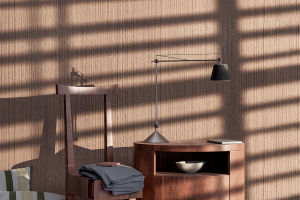
Boho interiors are known for their relaxed atmosphere, eclectic influences, and emphasis on individual expression. Rather than following a rigid decorating formula, the style encourages homeowners to combine pieces that reflect their interests, memories, and preferences. A vintage wooden table might sit beside a woven chair, while patterned cushions add color to a simple sofa.
The aim is not to fill every available space with decorations. Instead, each item should contribute something to the room, whether through its texture, appearance, usefulness, or personal meaning. A carefully arranged collection can make a home feel lived-in without appearing disorganized.
Natural Materials Bring Warmth
Natural materials are an important part of many boho interiors. Wood, rattan, jute, cotton, linen, and other textured materials help create visual interest without relying entirely on bright colors or elaborate decorations.
A wooden coffee table can provide a solid foundation for a room, while a woven basket offers practical storage and an attractive texture. Linen curtains soften the appearance of windows, and a jute rug can help define a seating area. Combining these materials creates variety while maintaining a sense of harmony.
Plants can also contribute to a fresh, relaxed setting when they suit the room's light and maintenance conditions. However, greenery is optional rather than essential. The same natural feeling can be achieved through wooden furniture, woven accessories, and fabrics with visible texture.
Colors and Patterns Create Character
Bohemian interiors often use earthy colors such as terracotta, warm brown, muted green, cream, and sand. These shades can establish a comfortable base, allowing stronger colors and patterned accessories to stand out without overwhelming the room.
Patterns are another way to introduce personality. Geometric designs, floral prints, stripes, and woven motifs can appear on cushions, rugs, blankets, or wall decorations. Mixing patterns can work well when the colors share a few common tones or when one design is more prominent than the others.
Personal Objects Make a Space Unique
One of the most appealing aspects of boho design is the freedom to display items that have personal meaning. Artwork, handmade ceramics, travel souvenirs, books, framed photographs, and inherited furniture can all help tell a story about the people who live in a home.
Instead of purchasing every decoration at once, homeowners can build their interiors over time. A meaningful object collected years ago may sit comfortably beside a newer piece when their colors, materials, or proportions complement one another. Arrangement still matters. Grouping a few objects on a shelf or placing artwork at different heights can create interest without making the room feel crowded. Leaving some empty space allows individual pieces to stand out.
Creating Comfort Without Clutter
Although boho style welcomes variety, a room can lose its appeal when too many objects compete for attention. A comfortable layout should leave enough room to move easily and use furniture as intended. Begin with the essentials, such as seating, lighting, and storage. Then introduce rugs, cushions, artwork, and decorative accessories where they add value.
Bohemian interior design remains appealing because it values individuality over perfect coordination. By choosing items thoughtfully and leaving space for daily life, anyone can create a relaxed interior that feels welcoming and genuinely their own.