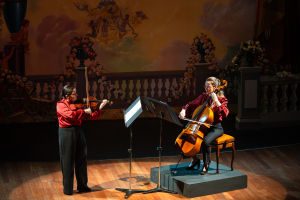
In a world shaped by music apps, virtual instruments, and advanced digital production, classic musical instruments continue to hold a unique and lasting value.
A cello, guitar, saxophone, clarinet, accordion, keyboard, and electric guitar together represent more than different ways of making sound. They reflect centuries of musical craftsmanship, artistic expression, and cultural continuity.
Technology has transformed how music is created, recorded, and shared, yet it has not replaced the emotional power of real instruments. Instead, many musicians now combine acoustic and digital elements to create music that feels both modern and deeply human.
The Unique Sound of Real Instruments
Traditional instruments produce sound through physical vibration, whether from strings, air, reeds, or keys. Because of this, every performance contains subtle variations in tone, timing, and dynamics. A cello can sound warm and cinematic, a saxophone can feel expressive and fluid, and an acoustic guitar can bring intimacy and clarity to a melody.
Digital instruments can reproduce these sounds with impressive accuracy, but they often cannot fully capture the tiny differences created by human touch. Those small imperfections are part of what makes live music feel authentic and emotionally engaging.
Why Musicians Continue to Choose Them
Many musicians prefer real instruments because they encourage a stronger connection between the performer and the music. Playing an instrument involves breath control, posture, finger movement, rhythm, and physical interaction with sound. This connection often leads to greater expressiveness and musical sensitivity.
For beginners, learning an instrument can also support concentration, discipline, listening ability, coordination, and patience. These skills are valuable not only in music but also in many areas of daily life and personal development.
Acoustic Instruments in Contemporary Music
Classic instruments are no longer limited to classical or jazz traditions. They are widely used in pop music, film scores, electronic productions, indie recordings, and live performances. Producers often add acoustic elements because they bring texture, warmth, and emotional depth to digital tracks.
- Cello: adds cinematic richness and emotional weight.
- Acoustic guitar: creates warmth, intimacy, and natural rhythm.
- Accordion: introduces character, movement, and a distinctive tone.
- Saxophone and clarinet: provide expressive melodic lines and dynamic phrasing.
This combination of acoustic and digital sound has become one of the defining characteristics of modern music production.
Craftsmanship and Cultural Value
Traditional instruments also represent remarkable craftsmanship. Many are built from carefully selected materials and shaped through techniques refined over generations. Playing such an instrument connects musicians to a long artistic tradition and helps preserve diverse musical styles and performance practices.
Their value is not based on nostalgia alone. They continue to inspire creativity, education, and cultural appreciation in contemporary society.
Technology as a Creative Partner
The digital era has made traditional instruments more accessible than ever. Online lessons, recording software, and global collaboration platforms allow musicians to learn, practice, perform, and share their work from almost anywhere. A student can practice cello with a virtual accompaniment or record an acoustic guitar at home with excellent sound quality.
Rather than replacing classic instruments, technology expands the ways they can be learned, recorded, and enjoyed.
Classic musical instruments still matter because they provide qualities that technology alone cannot fully reproduce: touch, expression, individuality, and emotional resonance. The combination of cello, guitar, saxophone, clarinet, accordion, and keyboard symbolizes the ongoing dialogue between tradition and innovation.
As music continues to evolve, the future is unlikely to belong only to digital tools or only to acoustic instruments. The most powerful and memorable music often emerges when both work together, blending modern possibilities with the timeless human voice of real instruments.