Fantasy anime art captures attention because it offers more than beautiful scenery. It gives viewers a doorway into a world that feels larger than the frame.
Floating cities, glowing forests, starry skies, magical clothing, and unusual landscapes can all create immediate curiosity.
Yet the strongest fantasy visuals do not rely only on spectacle. They combine clear composition, emotional characters, atmospheric color, and believable world details. The result is a scene that feels exciting, mysterious, and personal at the same time.
World Promise
A strong fantasy scene suggests that a larger story exists beyond what can be seen. A distant tower, hidden path, unusual sky, or glowing object can make viewers wonder what rules shape the world. That sense of promise is powerful. It gives the artwork depth before any plot is explained. The viewer begins asking questions naturally. Who lives there? Where does the path lead? What kind of journey could begin in that place?
Scale And Mystery
Size can create wonder when it is handled with care. Tall structures, wide skies, deep valleys, or floating islands can make characters feel small against a vast world. This contrast adds emotional impact because the viewer senses both beauty and uncertainty. Mystery grows when not every detail is explained. A fantasy setting becomes more engaging when it leaves room for imagination, allowing the audience to fill the empty spaces with possibility.
Light Drama
Lighting is one of the fastest ways to make fantasy art feel alive. A glowing horizon, moonlit path, sparkling water, or warm window in a strange landscape can guide attention immediately. Light creates mood, but it also creates direction. It can reveal what matters, hide what should remain mysterious, and make the environment feel charged with meaning. In fantasy anime art, light often becomes part of the story's emotional language.
Character Gateway
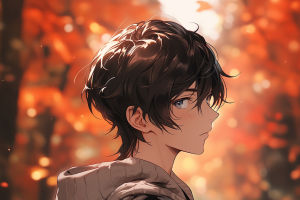
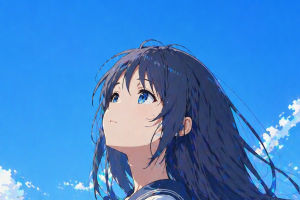
A character gives the viewer someone to follow into the fantasy world. Even when the setting is grand, a figure in the foreground can make the scene feel personal. Clothing, expression, posture, and scale all help connect human feeling to imagined space. A traveler facing a glowing city or standing at the edge of a forest creates instant narrative tension. The viewer sees not only the world, but also a possible relationship with it.
Color Atmosphere
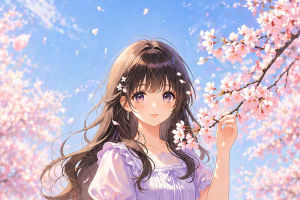
Color makes fantasy feel distinctive. Deep blues can create mystery, warm golds can suggest hope, greens can make a world feel alive, and violet tones can add a dreamlike edge. The best palettes are not random. They create a mood that fits the setting and guides the viewer's reaction. A fantasy scene becomes more memorable when its colors feel specific, as if that world has its own weather, light, and emotional temperature.
Detail Layers
Small worldbuilding details help fantasy art feel believable. Carved doors, unusual clothing patterns, glowing stones, distant bridges, old books, or shaped rooftops can suggest culture and history. These details should support the scene rather than crowd it. When placed carefully, they reward longer viewing and make the world feel lived in. The viewer senses that the setting continues beyond the visible frame, which makes the artwork more absorbing.
Emotional Escape
Fantasy art appeals because it offers escape while still connecting to real feelings. A magical landscape may seem far from everyday life, but the emotions inside it can be familiar: curiosity, courage, longing, comfort, or hope. That mix gives the genre its strength. Viewers can enjoy the impossible setting while still recognizing the feeling at its center. Wonder becomes meaningful when it reflects something human.
Clear Focus
Attention lasts longer when the composition has a clear focal point. A glowing doorway, central character, bright sky opening, or strong silhouette can guide the viewer through a complex scene. Without focus, fantasy details may become overwhelming. Strong artists balance richness with readability. They allow the world to feel large while still making the main idea easy to understand. Clarity turns visual abundance into lasting impact.
Fantasy anime art captures attention by combining imagination with emotional design. It offers strange worlds, glowing light, rich color, and layered details, but its real strength comes from focus and feeling. A viewer stays engaged because the scene suggests both wonder and story. The best fantasy visuals make impossible places feel inviting, meaningful, and full of hidden possibility. They do not simply show another world; they make that world feel worth entering.
Which fantasy detail draws attention first: the setting, the character, the color, or the mystery beyond the frame?