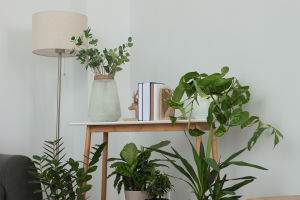
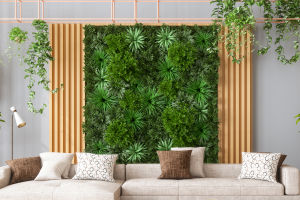
Not everyone has the floor space for a full plant collection, but nearly everyone has a wall.
That's the whole idea behind vertical gardening — growing up instead of out, and turning empty vertical surfaces into something genuinely alive.
Wall Planters: The Simplest Starting Point
Wall-mounted planters are the easiest entry point for a vertical garden. You can find modular systems that attach to any wall and hold individual pots, or go the DIY route with a wood pallet.
Pallets are cheap or sometimes free, and you can section them into compartments, line them with landscape fabric, fill them with potting soil, and grow herbs, small succulents, or trailing plants right out of the gaps. Mount it on a fence or interior wall, and it becomes a full green feature almost instantly.
For renters who can't drill, fabric pocket planters are a great alternative. They look like hanging shoe organizers, but each pocket holds a plant. They're lightweight, wall-friendly with command strips, and work well with shallow-rooted things like herbs, lettuce, or succulents.
Hanging Herb Gardens for Kitchen Spaces
If kitchen herbs are the goal, a hanging herb garden is one of the most practical setups around. A simple method uses an expandable clothes drying rack — hang small pots with S-hooks through the rod openings, position it near a window that gets at least four hours of light a day, and you have rosemary, basil, oregano, parsley, and mint all within arm's reach while cooking.
Most herbs prefer morning sunlight and some afternoon shade, so an east-facing spot near a window works really well. Make sure every container has a drainage hole so water doesn't sit and rot the roots.
Plant Ladder Stands
A tiered ladder stand is probably the most apartment-friendly version of vertical gardening. It sits on the floor, takes up almost no footprint, and lets you stack plants at different heights. Trailing plants like pothos or string of pearls on the top rungs look especially good as the vines start to cascade downward over time. You can find metal or wooden versions, or build one easily if you're handy.
Gutter Planters on Fences and Walls
Repurposed rain gutters make surprisingly effective horizontal planting beds when mounted vertically on a fence or exterior wall. Drill drainage holes in the bottom, mount them in rows, and fill with soil. They're great for salad greens, annual herbs like basil and cilantro, or alpine strawberries. Kids often love this one because the scale is small and manageable.
What to Plant in a Vertical Setup
The best plants for vertical gardens are compact, don't need deep root systems, and don't get too heavy. Succulents, herbs, lettuce, ferns, and trailing plants like pothos and ivy all work well. Avoid plants that spread aggressively or need very deep soil — they'll outgrow vertical planters quickly and look messy.
Watering is the main thing to stay on top of with vertical setups. Gravity pulls moisture downward, so the top pockets tend to dry out faster than the bottom ones. Check them individually and water each based on how the soil actually feels, rather than a fixed schedule.
Vertical gardens don't require a big outdoor space or an elaborate setup. A single wall, a handful of pots, and a bit of creativity can genuinely transform how a small space feels.