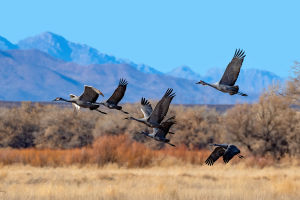
A bird with a broken wing doesn't know it's lucky to be found. It only knows pain, confusion, and a sky it can't reach.
Walking through an animal rescue center, you notice the quiet urgency: injured creatures in cages, staff moving softly, volunteers monitoring tiny details.
Each life has a story, and every step matters in helping that story continue. Rescue centers do more than heal bodies—they rebuild chances for survival.
Immediate Care: Stabilizing Injured Animals
The first hours after an animal arrives are critical. Staff quickly assess the type and severity of injuries, ensuring animals are stable before moving on to treatment.
• A thorough examination checks for broken limbs, dehydration, or internal injuries.
• Pain relief and supportive care, like fluids or warmth, are provided immediately.
• Temporary housing is set up to reduce stress while treatments begin.
Rapid assessment, Pain management, Stress reduction
Actionable example: If you encounter an injured wild animal before professional help arrives, keep it in a quiet, enclosed space with minimal handling and call a licensed wildlife rehabilitator immediately. Early stabilization increases survival chances.
Medical Treatment and Rehabilitation
Once stabilized, animals enter treatment that can range from minor wound care to surgery. Rehabilitation is tailored to each species and individual condition.
• Daily monitoring ensures wounds heal and nutrition is maintained.
• Physical therapy may be used to restore mobility in limbs or wings.
• Specialized diets help rebuild strength and prepare animals for the wild.
Individualized care, Rebuilding strength, Long-term observation
Actionable example: For centers caring for birds, volunteers can simulate natural perching and flying environments in controlled spaces, which helps the bird regain flight skills safely.
Behavioral Conditioning for Survival
Recovery isn't just physical. Animals must retain or relearn natural behaviors before release. This avoids dependence on humans or unsafe interactions in the wild.
• Feeding techniques mimic hunting or foraging challenges.
• Social animals are kept in groups to maintain natural interactions.
• Predators are trained to recognize prey without human involvement.
Self-sufficiency, Natural instincts, Safe socialization
Actionable example: Introduce small, controlled hunting exercises for rescued mammals or birds to practice skills in a safe enclosure, gradually increasing difficulty until readiness for release.
Minimizing Stress During Recovery
Stress can slow healing or create long-term behavioral issues. Rescue centers carefully manage environments to reduce unnecessary anxiety.
• Quiet spaces with limited exposure to visitors and loud noises.
• Consistent routines for feeding and cleaning reduce unpredictability.
• Handling is minimized, and when necessary, done gently with proper support.
Safe environment, Routine stability, Gentle handling
Actionable example: Volunteers can rotate tasks to maintain fresh but consistent scents in enclosures, preventing animals from becoming overly anxious while still providing human care.
Preparing for Release
Reintroduction to the wild is the ultimate goal. Centers ensure animals are fully capable of surviving independently before release.
• Health checks confirm physical readiness and absence of contagious disease.
• Behavioral assessments ensure survival skills are intact.
• Release sites are chosen carefully, considering habitat, food availability, and safety.
Fitness confirmation, Behavior verification, Safe habitat selection
Actionable example: For waterfowl, soft-release techniques—gradually opening access to natural ponds while still providing supplemental food—allow a smoother transition and higher survival rates.
Community Involvement and Education
Rescue centers often engage the public to promote wildlife protection and awareness. Involving communities helps prevent injuries and supports rehabilitation efforts.
• Educational programs teach safe ways to handle or avoid wildlife conflicts.
• Volunteer opportunities increase manpower for monitoring and care.
• Outreach campaigns spread understanding of local species' needs.
Awareness, Support, Preventive action
Actionable example: Encourage local schools or community groups to participate in observing seasonal wildlife safely, reinforcing the importance of protecting animals and their habitats.
Watching a rescued animal take its first steps, flap its wings, or swim freely is a quiet triumph. Animal rescue centers don't just save lives—they restore the connection between humans and the wild. Each healed creature reminds us that care, knowledge, and patience can tip the balance in favor of survival. When we support these centers, we help stories of recovery continue to unfold beyond the fences.